Category: Denim
-
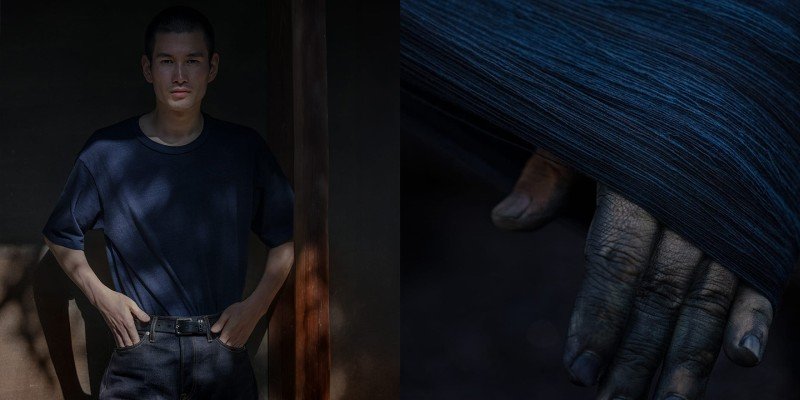
Momotaro Japanese Denim Alternatives
Momotaro Jeans has earned a stellar reputation in the denim world for a combination of factors, all contributing to a superior product and a strong brand identity. Why Momotaro Jeans ? Here’s a breakdown of the key reasons why they are so highly regarded: Exceptional Materials: Momotaro is known for using high-quality Zimbabwe cotton. This…
Denim is more than just a fabric; it’s a cultural icon. From its humble beginnings as workwear to its status as a fashion staple, denim has constantly evolved. Today, we’re witnessing a resurgence of interest in high-quality denim, driven by a desire for authenticity, durability, and a timeless aesthetic. Let’s delve into what makes denim “good” and why it’s making such a strong comeback.
What Defines Quality Denim?
Forget fast fashion disposability. Quality denim starts with the raw materials and construction. Here’s what to look for:
The Fabric: The type of cotton used significantly impacts the final product. Look for denim made from long-staple cotton like Supima or Egyptian cotton for a softer feel and greater durability.
Weight: Denim weight is measured in ounces per square yard. Heavier denim (12oz and up) is generally considered more durable and will develop more pronounced fades over time. Lighter-weight denim is more comfortable in warmer weather.
Selvedge: This refers to the clean, finished edge of the denim fabric. On shuttle looms, the weft yarn loops back into itself, creating a self-edge that prevents fraying. Selvedge denim is a hallmark of quality, as it’s typically woven on traditional looms at a slower pace, resulting in a tighter weave and unique character. The selvedge ID is often a colorful thread (red, blue, yellow) visible on the outseam when the jeans are cuffed.
Construction: Pay attention to the stitching, hardware (buttons and rivets), and overall construction. Look for reinforced stress points and clean, even stitching.
The Allure of Japanese Denim
Japan has become a global epicenter for high-quality denim production. Japanese denim mills are renowned for their dedication to traditional techniques, meticulous attention to detail, and innovative fabric development. Brands like Momotaro Jeans exemplify this commitment.
Momotaro: Inspired by Japanese folklore, Momotaro uses Zimbabwe cotton known for its strength and softness to create premium selvedge denim. Their jeans are known for their unique details, such as the painted battle stripes on the back pocket, and their commitment to using natural indigo dyes.
Other Heritage Brands: Other notable Japanese denim brands include Studio D’Artisan, known for their reproduction of vintage American workwear, and Samurai Jeans, known for their heavy-weight denim and intricate details.
Raw Denim: A Blank Canvas
Raw (or “dry”) denim is denim that has not been washed or treated after being dyed. This allows the wearer to create a unique fade pattern based on their individual wear patterns. Raw denim requires commitment, as it can be stiff and uncomfortable initially, but the resulting personalized fades are highly prized by denim enthusiasts.
The Importance of Fit
The right fit is crucial for any pair of jeans. While trends come and go, a classic, well-fitting pair of jeans will always be in style. Consider these factors when choosing a fit:
Body Type: Different fits flatter different body types. Slim fits work well for those with leaner builds, while straight or relaxed fits may be more comfortable for those with more muscular builds.
Rise: The rise refers to the distance from the crotch to the waistband. High-rise jeans are currently trending and can be flattering on many figures, while mid-rise is a classic choice.
Leg Opening: The leg opening determines the overall silhouette of the jeans. Options range from skinny to wide-leg, with straight and tapered fits offering versatile options.
Why Denim is Back (and Here to Stay)
Several factors contribute to the renewed interest in quality denim:
Sustainability: Consumers are increasingly aware of the environmental impact of fast fashion. Investing in durable, well-made denim is a more sustainable choice than buying cheap, disposable jeans.
Individuality: In a world of mass-produced clothing, raw denim offers a way to express personal style through unique fade patterns.
Timelessness: Quality denim transcends fleeting trends. A well-fitting pair of jeans can be a wardrobe staple for years to come.
Nostalgia: There’s a certain nostalgia associated with classic denim brands and styles. People are drawn to the authenticity and heritage of these brands.
Denim isn’t just about clothing; it’s about embracing a lifestyle. By understanding the nuances of quality, fit, and the stories behind heritage brands, you can make informed choices and invest in denim that will last a lifetime.